All posts by carolnahra

Films to Watch at Sheffield Doc/Fest 2015

The Sheffield Doc/Fest programme, which I have been helping to write for some weeks now, is live! Here are a few of my favourites, with more to follow:

A Sinner in Mecca 

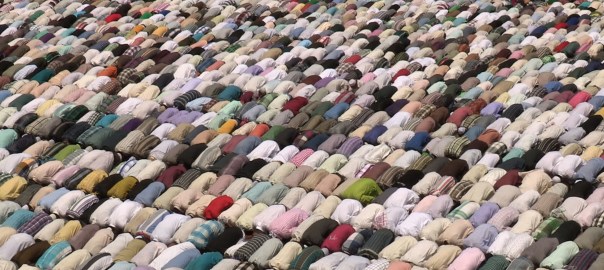
After releasing his film A Jihad for Love, exploring Islam and homosexuality, Parvez Sharma is a marked man, having been publicly labelled an infidel. But Sharma is unwilling to give up the faith that has been overshadowed by extremists. “Oh Prophet: Is there a place in Islam for sinners like me?” he asks – and decides to go in search of the answer. Leaving his husband behind in New York, he journeys to Mecca in Saudi Arabia, to undertake the Hajj pilgrimage, considered the greatest accomplishment within Islam. With filming forbidden and homosexuality punishable by death, he films surreptitiously on his IPhone. He follows thousands of pilgrims through garbage-filled streets, and from the holiest of sites, the Kaaba, through to the air-conditioned Starbucks 700 metres away. Throughout, Sharma weaves a thoughtful meditation on modern Islam that is also a brave and moving autobiographical documentary.

Carol Nahra

The Hunting Ground

Excited at having landed a place at the University of North Carolina, Annie Clark’s elation evaporated when she was raped before classes began. She is far from alone: studies show that 20% of women will suffer a sexual attack at university. In a masterful, wide-ranging investigation, Kirby Dick and Amy Ziering present dozens of testimonials detailing how universities of every shape and size collude to cover up sexual crimes on their campuses, creating an ideal “hunting ground” for serial offenders. Fear of damaging their reputation – and enrolment – drives shocking behaviour throughout the universities, with the fraternity and athletic communities covering up the most grievous assaults. For many victims, the institutional denial proves even more painful than the crime itself. But hope is in sight as Annie and other victims begin to fight back through the courts, hitting universities where it hurts – by threatening their revenue streams.

Carol Nahra

The Look of Silence

In this multi-award winning companion piece to The Act of Killing, filmed before its release, Joshua Oppenheimer further explores the terrible legacy of the Indonesian genocide fifty years ago, this time through the lens of one family. Adi was born in 1968, two years after his brother Ramli was slaughtered in front of many eyewitnesses. Now an optometrist, Adi lives with his elderly parents and his children. Not only does he live under the ongoing rules of his brother’s killers, he has to listen to his children regurgitate the propaganda which led to the slaughter, and is still being perpetuated in schools. Adi decides to confront some of the murderers, who are surprised when his questions are more intense than Oppenheimer’s. His breaking of the silence leads to some electrifying scenes, in a film where the beauty of the Indonesian landscape belies the bone chilling horrors carried out there in the name of democracy.

Carol Nahra

A Syrian Love Story

A_SYRIAN_LOVE_STORY_08_(640x360)

Amer met Ragda, when both were locked up in a Syrian jail for speaking out against an oppressive regime. Twenty years and four sons later, filmmaker Sean McAllister comes into their lives, as Amer is waiting for Ragda, who has once again been imprisoned. When she is unexpectedly released, the family is overjoyed – they need her, particularly three year-old Bob. McAllister and his subjects’ lives become irrevocably intertwined when McAllister himself is jailed, and footage of the family is confiscated. Amer and Ragda must flee overnight to Lebanon, with nothing but their children. McAllister follows their story over five turbulent years, as they struggle to find their feet as refugees; Ragda in particular can’t bear to be away from Syria in its hour of greatest need. As they watch Syria descend into chaos, they struggle to repair their troubled relationship. A powerful, moving story of family and exile from one of the UK’s most talented independent filmmakers.

Carol Nahra

The Confessions of Thomas Quick

A loner from an early age, Thomas Quick went on to become Sweden’s most notorious serial killer, openly confessing to the gruesome murders of more than 30 people. Held for decades in a psychiatric institute, Quick’s confessions emerged after years working with a group of touchy feely therapists, convinced that the recovery of memories would cure patients of their criminality. In a country with a low crime rate, the nation watched with horror as Quick’s confessions mounted, accounting for many of the country’s unsolved murders. With testimonials from a range of people whose lives have been dominated by this story – including Quick himself – and dramatic reenactment, Brian Hill weaves a stylish noir thriller that works a treat on the big screen. What appears at first to be a tale of unimaginable evil evolves into something much more layered as Hill digs deep into the motivations behind those working closely with Quick.

Carol Nahra

How did Vanessa Engle Get Inside Harley Street?

If you haven’t yet tuned into it, get thee to the BBC I-Player to watch the first part of veteran director Vanessa Engle’s series Inside Harley Street. I’ve watched every minute, fascinated, and think it’s an exemplary portrait of a unique community – something very tricky to do. What Engle does so successfully is weave a rich tapestry of the human condition, through the many storylines we bear witness to over the three hours. Engle’s approach is very direct: conducting interviews, on site, as people undertake, or administer the myriad of medical, cosmetic and complementary treatments on offer in the Harley Street neighborhood. She also speaks to the community that keeps it humming, from the florists to the cleaners, to the rather fantastically powerful behind the scenes uber-landlord, who treats the neighbourhood like a Monopoly board (and indeed gleefully shows Engle his own custom made board replete with his properties).

Despite the simplicity of its construct, it’s clear that Inside Harley Street must have been a monster to put together. I spoke to Engle on the telephone to ask her just how she got inside the exclusive neighborhood:

Can you explain a little about the research and development process which went into making this series?

It was immense. I had this fantastic assistant producer called Liz Kempton. We started with all the conventional medical doctors, which is what Harley Street is best known for. And she just contacted enormous numbers of them…The levels of complication in putting this particular jigsaw together were beyond anything I’ve ever attempted, and I’ve done some pretty complicated ones. It’s not unusual for me to do a series where I have between 80 and 100 contributors. But for each contributor you had to get the doctor to go with the patient, you also had to get permission from the clinic. If they go for a scan in another hospital, you have to get permission from that hospital…the permissions proliferated. I’d never come across anything as complex as this.  And they’re not only places where medical confidentiality is an issue but they are all private businesses who are extremely protective of their clientele and their reputation. So you can imagine the difficulty. But the starting point was Liz contacting literally hundreds of doctors as an initial approach. She met quite a lot of them. If she thought there was something there then I would meet them as well.

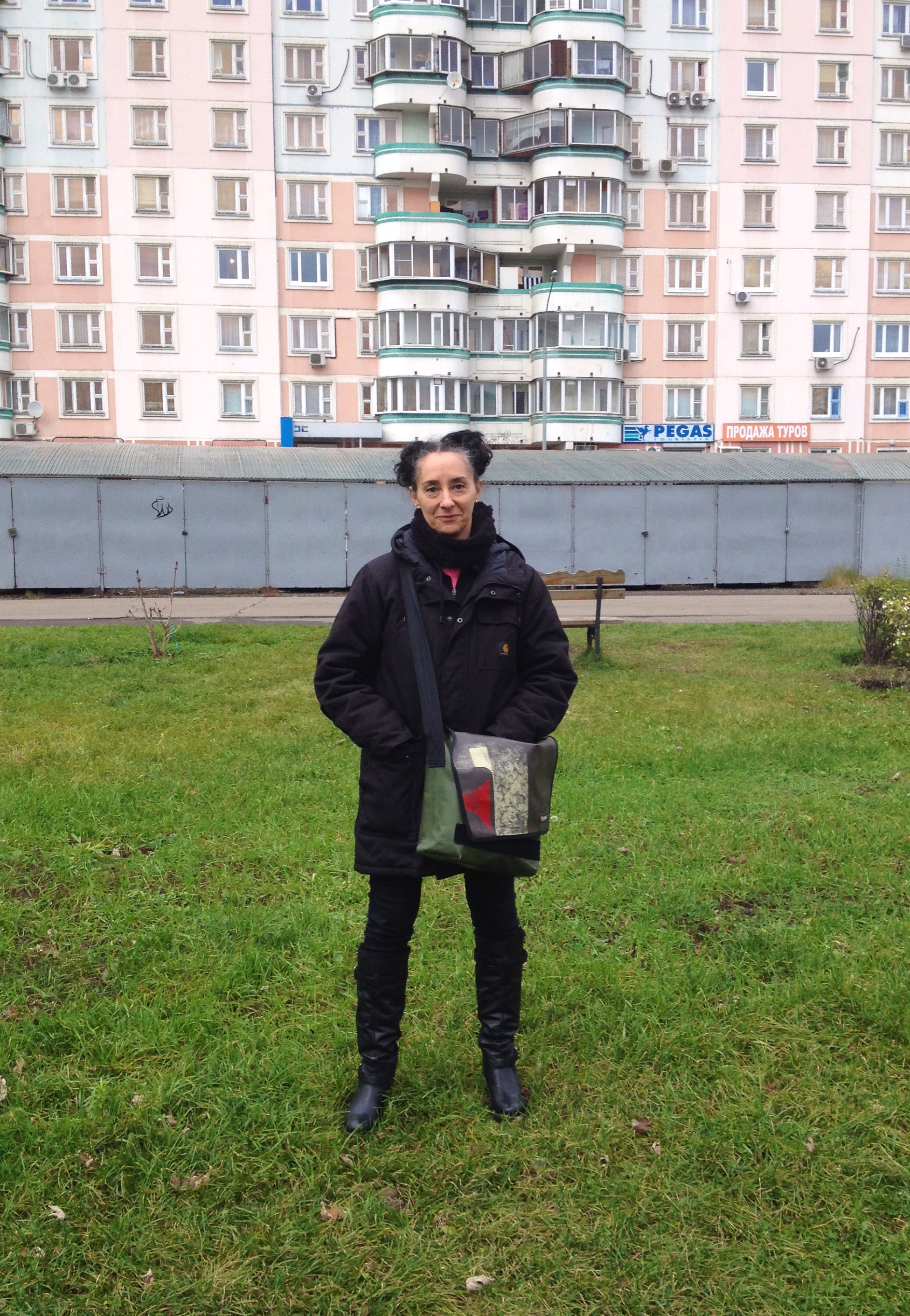
Vanessa Moscow
Vanessa Engle

I know often when you go about getting access, people tend to club together one way or another. Did things get easier or harder for you?

My experience in any community is once you’ve got some really impressive names that have said yes, then it does get easier, it gets significantly easier.

And that happened with you?

Yes. With some of the doctors in the film, they hold a lot of sway – their reputations go before them – so once they say yes then others will follow.

Did you use any of your films as a calling card?

I do do that – I absolutely do that. And quite a lot of people in a lot of the clinics, they have hefty marketing and PR departments, and some of them asked to see my films and others checked me out online.

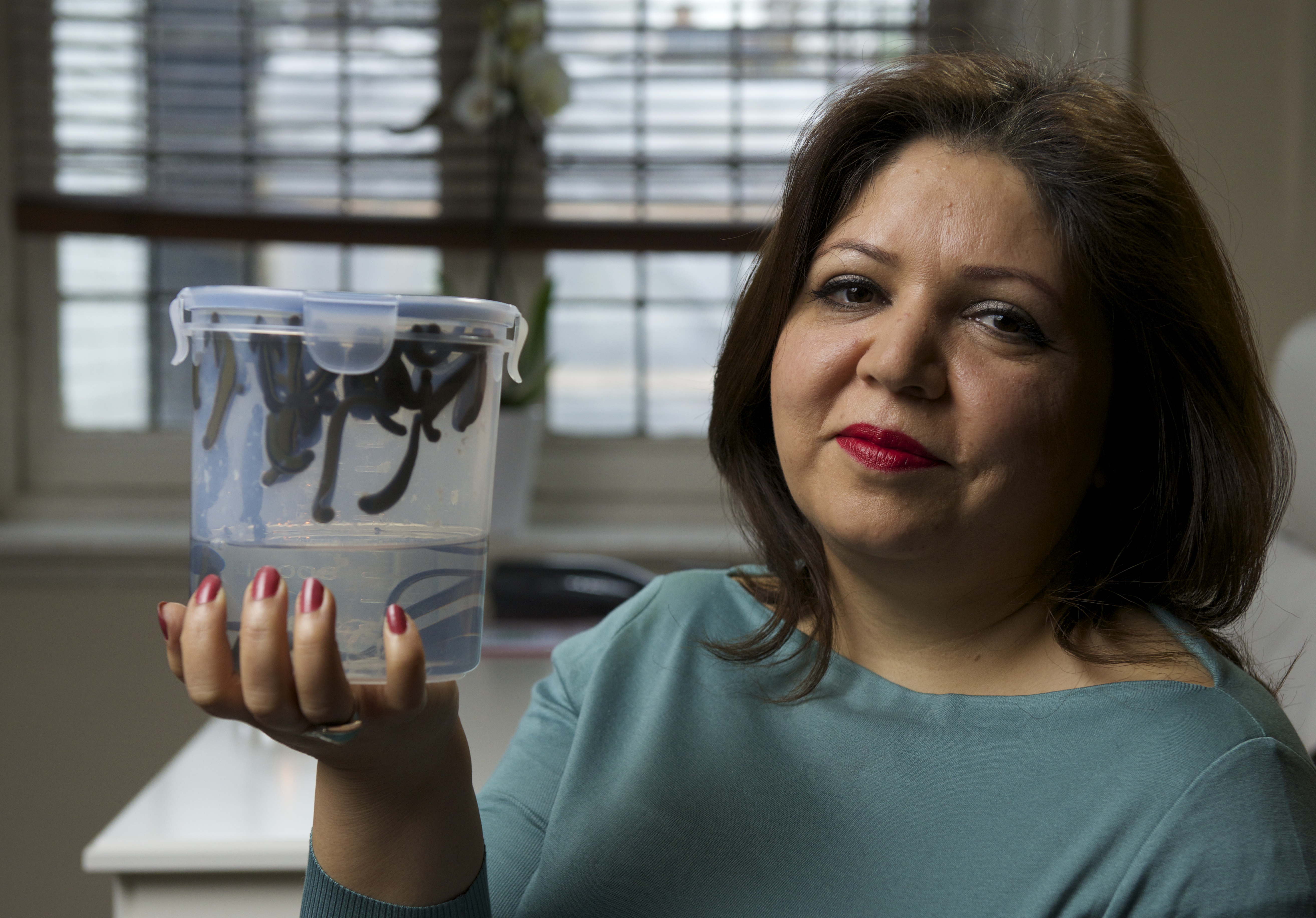
Maryam's leech therapy
Maryam’s leech therapy

There have been quite a few series which are location based on British television lately, like Inside Claridges and Welcome to Mayfair. How did you plan your approach for this series – did these influence you at all?

That’s a very good question.  There has been a spate of commissioning around luxury brands. I’m sure it is possible that Harley Street was also commissioned in that spirit – that there appears to be an audience for films about luxury. For me, right from the outset and in the original treatment I wrote, I always knew the series wouldn’t be about that. To make 180 minutes of television – as long as two feature films – on a premise that would just be ‘here are some rich people, and here they are paying for stuff the rest of us can’t afford’, for me as a filmmaker that doesn’t take me anywhere. There is nowhere to go with that proposition. And it’s certainly not going to keep me going for three hours. Not if you are a genuinely curious documentary maker and trying to find stuff out about humanity at a slightly deeper level. Rich people buying expensive shit isn’t of enough interest to me personally and I always knew that. It was clear from the outset that there would be huge issues thrown up about aging, about illness, about how we feel about our appearance, about why women are altering their appearance frequently, about why people are choosing treatments and therapies that are anti-scientific when we live in a scientific era. It was obvious to me that there was something meaty there that was never just going to be about rich people.

I’m very proud of the access that we did achieve. Because it’s one thing to make a film where you say to someone ‘oh you can afford a ruby necklace, or you can afford an expensive hotel room’. But to say to a very rich person, who is paying a lot of money for privacy and discretion, ‘can we film you butt naked having your prostate gland removed?’ is access of a different order really.

By the way, I love the soundtrack…

I’m glad you asked me about that. That’s what I mean about this series: I just worked so hard. All films are hard to make, but some films are really a lot harder to make than others. For this I listened to over 1,800 tracks to get the music for these films!

Episode 2 of Inside Harley Street screens Monday, 20 April, 9pm on BBC Two.

London’s HRWFF: The Yes Men Are Revolting

The Yes Men are Revolting opened the London’s Human Rights Watch Film Festival last night – the third feature outing for activists Mike Bonanno and Andy Bichlbaum, who have forged a career of elaborate stunts targeted squarely at corporate behemoths, perhaps most famously posing as Dow executives pledging to make reparations to Bhopal victims. This time around, the pair engage with a wide range of other activists in taking on bigwigs ranging from the U.S Chamber of Commerce to leaders attending the Copenhagen Climate Summit. Along the way they join thousands of other activists during the Occupy movement and in the wake of Hurricane Sandy.

Twenty years into their career, Andy and Mike are clearly older and wiser and a bit world weary. The Yes Men are Revolting for the first time focuses on them as human beings with families, boyfriends and plenty of lashings of modern stress. Appropriately enough, the film shows the frustrations and tensions which inevitably emerge when trying to save the world, one hoax at a time.

At a post screening Q&A with co-director Laura Nix, here’s what the three film-makers had to say about activism, and their latest cinematic outing:

Laura Nix: (Mike and Andy) are always doing actions – there is always a ton of stuff going on. So it’s a question of how does any particular action serve the narrative of the film? And this film is more complicated than the others because it involves them as humans. In the other two films they were like cardboard cut-out characters, like cartoons, and this time they were real people.  And I felt that was really important because I’ve known them a long time and I am very impressed at what it takes to do this work for decades. It’s one thing to get involved in activism when you are in your twenties, and it’s another thing when you are starting to hit the other ages that we are all facing!

Laura Nix
Laura Nix

Mike Bonanno (on dodging a law suit threat): One of the things that we’ve come to realise from years of doing this is that we’re not in any danger physically or legally for what we’re doing. Everything we’re doing as far as we can tell is totally legal and totally safe. We have some people to thank who have fought against companies like McDonald’s, for example – the McLibel case here in the UK – which has made a lot of corporations scared to threaten activists legally.

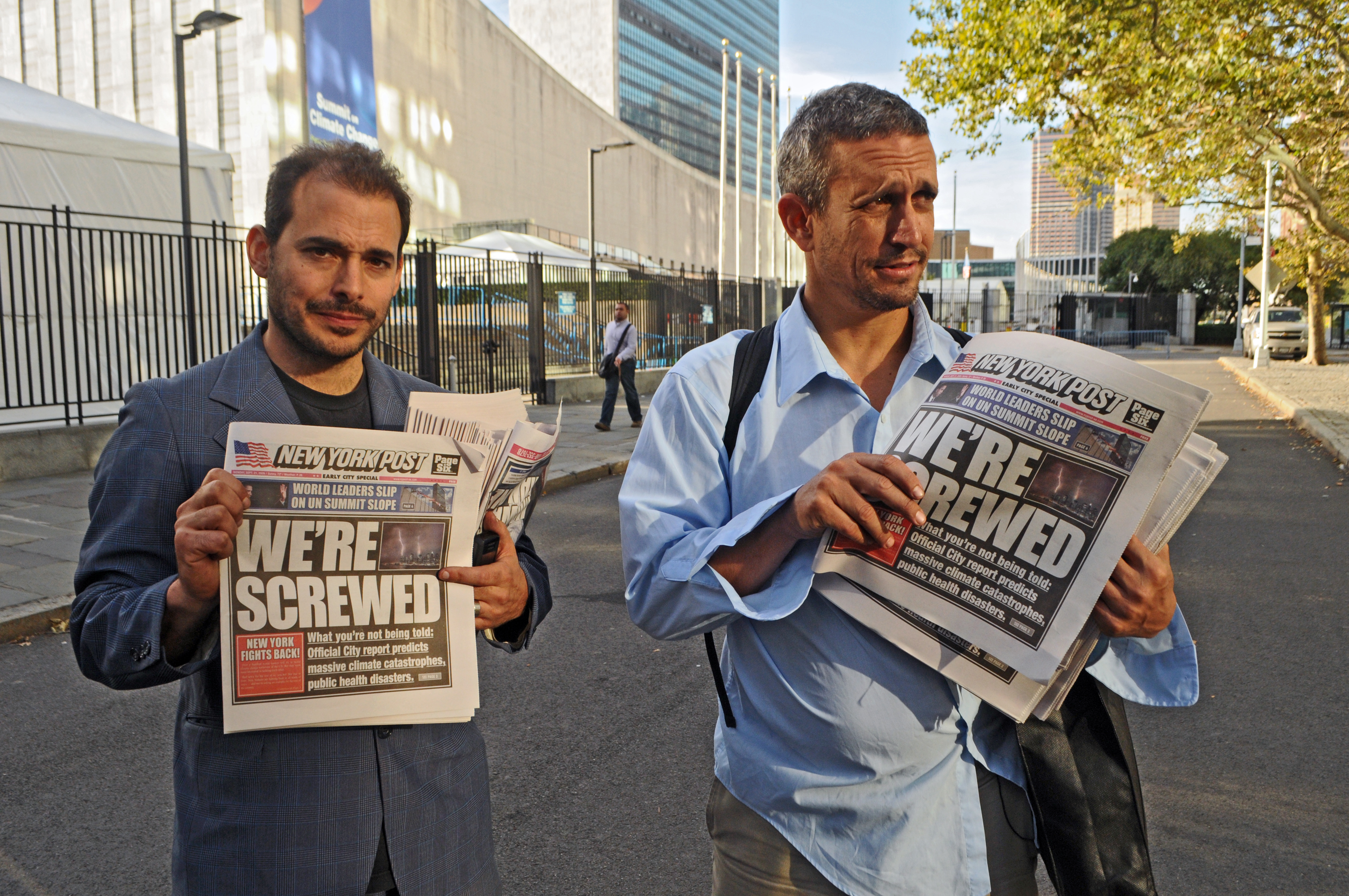
Mike Bonnano (left), Andy Bichlbaum (right) (1)
Mike Bonanno (left), Andy Bichlbaum (right)

Andy Bichlbaum: For me the personal story is really important as a way of showing the importance of social movements. We despair, we wonder why we are doing things? What did this achieve?  And we get the answer with Occupy, when we realise that we’ve been part of this and it’s exploding and it’s huge. That’s a lesson that activists often don’t realise – if you do something with your heart really in it, it matters. Even if you might not see how – it might take a long time for you to see how it works.

————————

The Human Rights Watch Festival runs until March 27. Stay tuned for a future blog about the rapidly growing subgenre of activism on film…

Daisy Asquith Gets Personal

In nearly twenty years as a filmmaker, Daisy Asquith has told human stories the length and breadth of the UK, and beyond – not least in Crazy About One Direction, where she memorably explored the legion of passionate One Direction fans. She has also taken viewers into the world of clowns, young mums, Holocaust survivors and house clearers, in empathetic, nuanced portraits which have earned her multiple awards.

Her latest film is a departure for Asquith, in that for the first time she points her lens at her own family. In My Mother the Secret Baby, she embarks on a journey with her mum to find out more about her grandparents, who gave her mother up for adoption after she was born illegitimately in Ireland in the 1940s. In going in search of details about her birth grandfather,  Asquith alienates a number of her Irish relatives, who vehemently resist airing their family’s secrets in public – their objections becoming part of the narrative of the film. I spoke to Daisy about the film, and what it was like making a film about her own family.

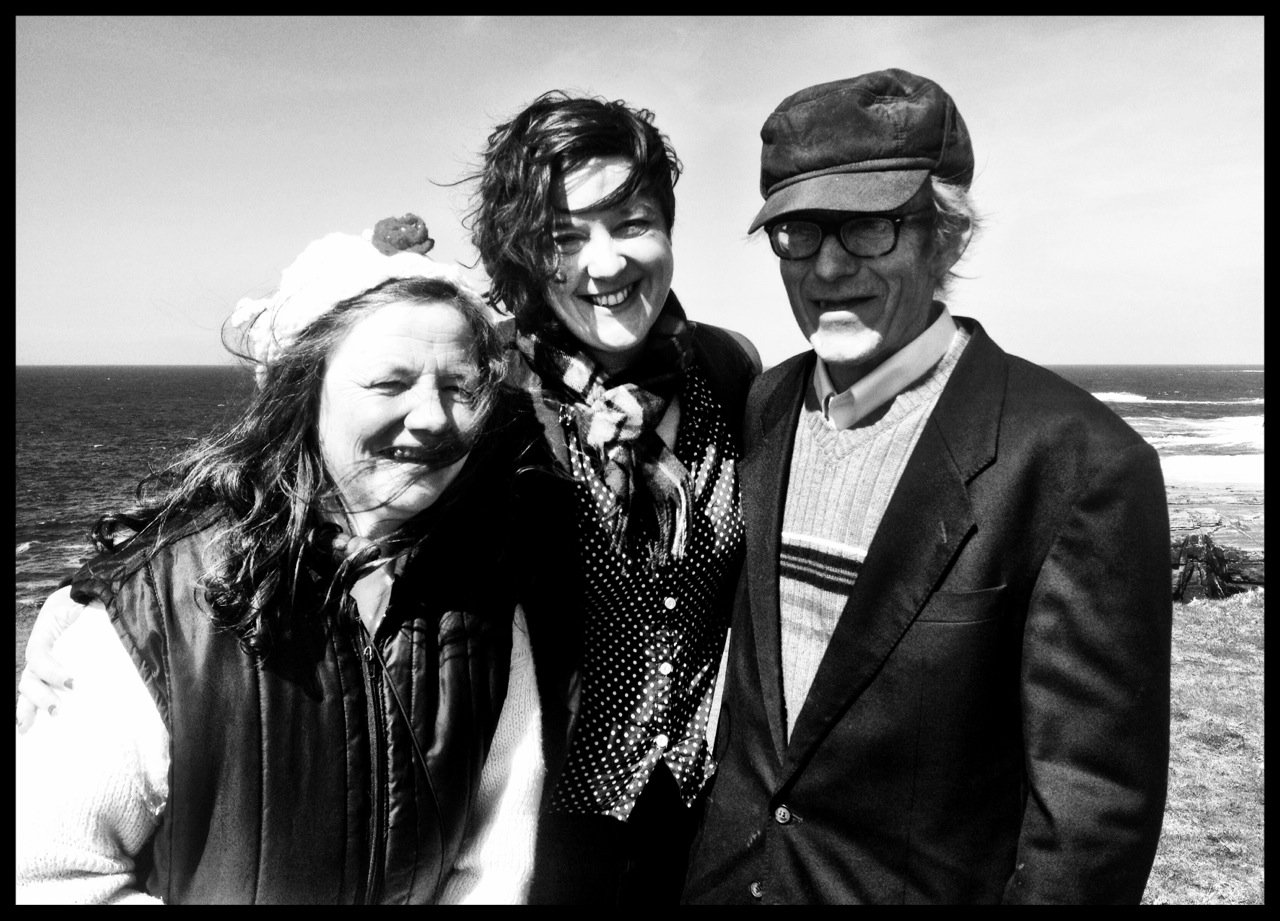
Daisy, middle, with her cousin Johnny and his wife Mary
Daisy, centre, with Johnny and wife Mary

Can you tell me a bit about the origin of the film?

I had a lot of wobbles over whether or not to make the film, because one of my aunts…is really really against my talking about our illegitimacy in public; she wanted it kept private and a secret. So I kept chickening out basically. (BBC) Storyville have supported it very patiently for about five years. I kept saying I’m not doing it. And they would say, hmm okay and then three months later it was back on again.

Is this a journey that your mum would have taken if the film wasn’t driving it?

No, she says she wouldn’t have done it. And that kept confusing me too – that I was dragging her into it. But I think it just needed all that time. We needed loads of time. She kept changing her mind as well. I tried not to push her and to be patient really. And they allowed me to do that. She came to the realisation that she really did want to know more about her father.  And now she’s so delighted that she made that decision. She loves the film and she loves the information that she has about who she is – who her father was. It’s somehow kind of filled in loads of gaps that you wouldn’t expect – why you are like you are. I think it has made her happy, actually.

You’ve pushed some family away, and others have become closer, like your aunt who is in it.

Yes, my Aunt Siobhan has been incredible. Her courage – I don’t know how she is so courageous. She is the one who has given us the confidence to do it. She kept saying ‘you have the right to know,’ and not backing down either.

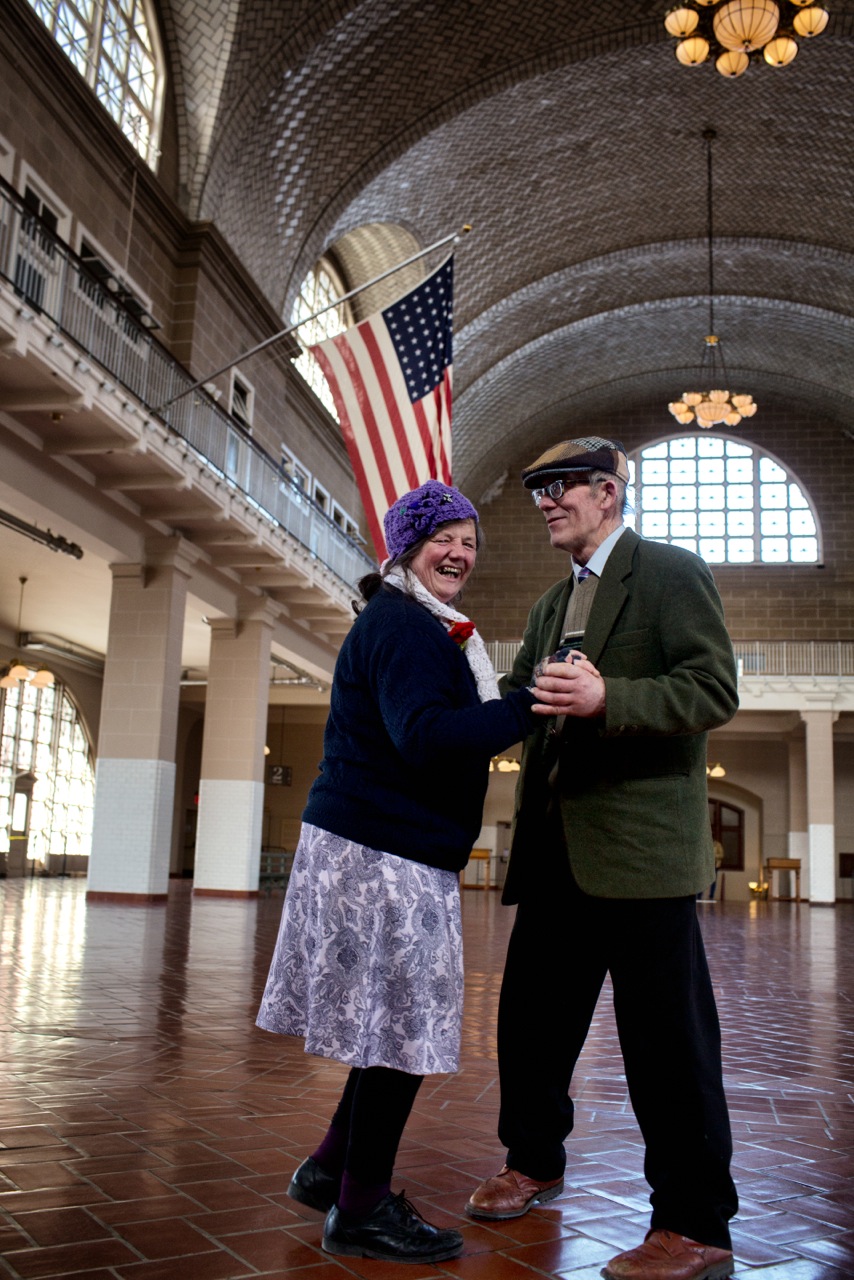
J&Mdance
Johnny and Mary in NYC

And has that led to her having difficulties with her own siblings?

Yes, it has caused her all kinds of trouble.

What was it like discovering your main characters, Johnny and his wife?

It was delightful. When I first saw Johnny and he sort of emerged from his milking shed with hay sticking out of his hat, I thought, this is just amazing. I fell in love with him really. Luckily he likes me. I must be quite challenging for him, but he seems to like it and handle it, and is in full control of me when I’m over there.

You have made a lot of films – is this the first autobiographical film that you have made?

Overtly, yes. You could say all of your films have much subjective stuff in them, but yes overtly it is the first autobiographical film. It is so different. And of course they pressured me to be in it, which is of course out of my comfort zone.

You weren’t in it that much!

I don’t’ think I needed to be in it that much – do you?

Well I have a sense of who you are already. But I do usually find myself craving to see more of the strong personality behind the camera.

I think it is a bit of a cop out to hide and not do that and pretend that you weren’t affecting everything all of the time, so maybe I didn’t do it enough.

Can you expand on how it was different making this film?

You can’t see clearly when it is your family. It’s too emotional. You get sucked up into lots of different people’s feelings, all of whom you love and all of whom are not going to mince their words in their criticism of you. I try to treat the people whom I film with huge respect and some love, and to try to collaborate with them. But actually what happened was my vision was fogged by it. I had to separate how I felt about them being angry with me to how I present them in the film.

Will any of them end up watching it and coming around?

I want them to watch it – I’ve offered. They have not taken me up on my offer yet. But you never know. I’m hoping it is way better than they imagine.

—————————————–

My Mother the Secret Baby premieres at the Jameson Dublin International Film Festival the 26th March (under the title After the Dance) and will be broadcast on BBC Storyville, 30th March, 10pm. There will be a special screening at the new Bertha DocHouse in London on 31 March at 7pm, which will include a post screening Q&A with Asquith.

Please like the Docs On Screens Facebook Group

Meet Charlie Phillips: The Guardian’s Head of Docs

Lured away from Sheffield Doc/Fest, where he was Deputy Director and ran the extremely successful MeetMarket, Charlie Phillips is now the new Head of Documentaries at the Guardian. As a huge Guardian and documentary fan it’s a job that sounds pretty good to me. But as newspapers aren’t normally in the business of commissioning documentaries, I went to the Guardian to find out more about what Charlie’s up to:

Head of Documentaries is a new position. How was it pitched to you and what are you doing with it?

I was recruited because the Guardian wants to make a push into documentaries. We’ve always had a lot of video on the website and made lots of video. Sometimes that has been documentaries, but more often it has been news and current affairs, or sometimes virals. This is a very specific thing – pushing into documentary proper. The basis for doing that is that documentary is increasingly popular. It’s being regarded in an institution like this as a really great way of doing journalism, of getting people to reflect on the news and absorb new information and be surprised. People here think that documentary is doing that better than any other art form, which of course I agree with.

I was approached to work out what we should be doing with documentaries, and then commission lots of docs for our website and also ideally our YouTube, Vimeo and Facebook platforms — in terms of commissioning documentaries for “the Guardian” that basically means for all of our platforms. So that is my remit, basically, to get the Guardian known for supporting documentary. It’s been four months now. We’ve started commissioning them and getting them out. We’re not at the point where we have one going out every week but we aren’t a million miles away from that. We’ve got a lot of possibilities, a lot of irons in the fire. The ones we’ve put out already have done very well. So there’s definitely a hunger there.

How are you commissioning? Are you doing it through contacts or is there an open process?

It’s primarily through contacts at the moment, and obviously through people directly approaching me. From my time in Sheffield I know lots of people; I know the documentary industry. So it’s not that hard for me to reach out to them. I’ve also been doing talks and have been to a lot of festivals. The word is generally out that we’ve been commissioning docs, and the films have been going out as well…Maybe once we’re up and running and have everything going out we might have some section on the side which says how you pitch to us. I’m very aware I’m not connected to everyone.

How does it work in terms of Guardian journalism? Is anything driven initially by print or are you just free to go where you like, content-wise?

We’re pretty free to commission anything regardless to what is happening in the rest of the building. And it’s very important that the video leads. What we want is for people to watch documentaries on our website regardless of whether there’s a tie in to anything else. That has to be the first thing…Although we’ve always had a lot of video up, it’s not always been that easy to find, and has not been done as consistently as we would have liked. So we have not really built up that audience like we could have done. That’s our ultimate priority – get really good stuff up there and get people watching it, and maybe don’t worry so much what other people in the building are doing. With that said, there are some subjects that are so brilliant and are such a focus of the organisation that we will coordinate, and we will commission a doc, and someone will write a piece, we might do a podcast, and we might do a data led explainer.

Can you give me an example?

We did a big focus on the Guantanamo Diaries. That wasn’t one that I was directly involved with, because it is more news than documentaries anyway. But it’s a good example. So there was coordination across publishing the diaries, a really beautiful animated doc that my colleague Laurence (Topham) made, there were readings from famous people which went out in the audio department. That kind of thing can be great but it’s not practical to do week after week.

It must be very labour-intensive too — and has to be the right type story I would imagine.

Yes, it has to be the right kind of thing. And also the kind of things I’m doing, they are not news videos. We have a separate news commissioner who does news. So I am looking for things which are maybe reflective and story led, not necessarily things that the writers here are going to want to write about. It needs to feel contemporary and relevant now but that doesn’t necessarily make it news.

Can you give me another example?

If I Die on Mars was a film about three people who want to be on the first manned mission to Mars – the Mars 1 program. And that did really well for a number of reasons. One of them was people didn’t really know about the Mars One programme. It had been reported a bit but it was quite under-reported. We knew it would intrigue people. It’s from a production company called Stateless Media, a guy called Peter Savodnik. He was quite clever – he framed it in terms of why do these people want to leave earth on a one way mission, that is effectively a suicide mission. It’s quite a melancholy piece, so it had that human element.

Another thing that we have coming up in a totally different way is we’re doing a version of They Will Have to Kill Us First, which is a new film by Together Films about music being banned in Mali a few years ago. So this is effectively what happened since the ban – and the human effects on these amazing musicians. It is also about Mali music becoming very popular at the moment.

Presumably you are aiming at people on tablets and phones – is there an ideal length you go for?

It definitely has to be under 15 minutes. Generally things are going to be the 10-12 minute mark. You could say that is quite long for online – the wisdom is that people don’t concentrate for more than 30 seconds. But we’re doing things which are very story and/or character led. So I really feel like if it hooks you in from the start, and it takes you on a journey, and it looks beautiful, and you feel like you’ve had an experience watching it, you will stick and watch it. And if people don’t watch the whole thing but they watch five minutes but really like those five minutes, that’s okay as well. You can’t assume everyone is going to watch the whole thing, but as long as a good proportion do, and also as long as they share it and tell other people about it — it’s about building up the audience.

It’s a tough model.

It’s a new model and a form a lot of filmmakers aren’t acquainted with. So it’s hard graft getting something going out…It’s not a grammar that to be honest loads of filmmakers understand, because they are used to a longer form. And that’s fine because that’s been their main thing. But increasingly people are going to have to learn how to make something that is shorter and is going to work online and get attention. It’s a medium that people should use more. But it’s different. In the same way that doing something for TV is different than the cinema – it’s a different art form.

Do you have a model that you are following from other newspapers or media?

The two big influences are definitely the New York Times in the sense of doing short documentaries, working with filmmakers, having a commitment to high quality docs, and not doing any random old thing. Vice are definitely an inspiration, especially in terms of how they’ve built up that audience. Which they’ve done very cleverly, working across different platforms.

What kind of budgets are we talking?

The range is anywhere from at the lower end, a low point of £1000 if we are acquiring ten minutes or just chopping ten minutes with very little editing, up to an original commission that we really really want where it’s all being shot up front in a far off country, then it can be up to like £8-10,000. Most things at the moment will be something in the middle of that range. We’re doing both original short commissions and cut downs of longer docs.

—————————

Please share and follow the Docs on Screens Facebook page

NFTS Documentary 2015: The Ones to Watch

Last week, after years of wanting to attend, I finally made it to the NFTS Show, the National Film and Television School’s showcase of films made by their Directing Documentary MA graduates.  I took my documentary students to see the eight films at the BFI Southbank – an impressive venue which also played host to some outstanding fiction and games student projects.

There’s every reason to keep an eye out for NFTS documentary students: graduates include many of the UK’s top doc makers, including Nick Broomfield, Molly Dineen, Kim Longinotto and Sean McAllister. Kim Longinotto’s own NFTS graduation film, Pride of Place, about the boarding school she loathed as a student, was so successful at showing up the school’s shortcomings that it closed shortly afterwards.

Long after my own students filtered out, I sat mesmerized. Despite tiny budgets of £4,000, not one of the films was based in the UK – shooting locations included Cambodia, Thailand, California, and Brazil.  A couple films followed a strong observational narrative, including a senior citizen on an overseas mission, and a drug addict on a Buddist detox. But as the NFTS’s head of documentaries Dick Fontaine noted whilst compering the afternoon, those students without a strong narrative worked intensively to develop a cinematic language of their own in these films. It showed. In an age of formatted television, where action is heavily narrated, and follows a predictable storyline, as a whole these stories were beautifully told without titles, narration, presenters or archive. Although made on a shoestring, the directors had the support of the abundant resources at the NFTS, and a sizeable crew of fellow students, introduced by the directors after each screening.

Here are my favourite films from the day:

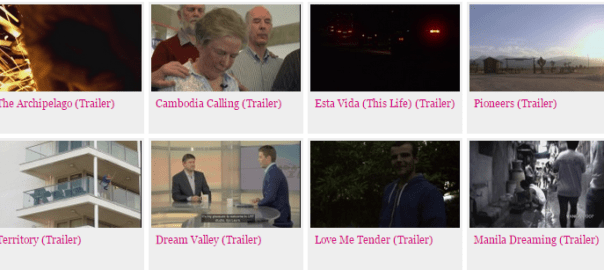
The Archipelago

This portrait of the Faroe Islands, as it struggles to hang on to its traditions in the modern world, is not for the squeamish. Following an unnamed character known in the credits as “the young man”, director Benjamin Huguet sketches the community through his daily life as a butcher, capturing him scratching the cows behind the ears, and in the next scene carving them up into steaks. Huguet was also along for the ride when the community turned out for a practice bringing them international condemnation: pilot whale hunting. By filming the blood drenched slaughtering of the whales, and the allocation of their parts to local families within minutes, Huguet’s immersive camerawork shows how close to nature the Faroese continue to live.

Esta Vida (This Life)

Director Lyttanya Shannon’s at times heartbreaking film shows child advocate Rita as she works to encourage a group of vulnerable young girls in rural Brazil to fight against a cycle which sees them all too often the victims of drugs and sexual abuse. Shannon’s cinematography places her in the center of these girls’ worlds, as they perch on the edge of a frightening adulthood.

Pioneers

Grace Harper takes us onto the streets of the eccentric Pioneertown – a former Hollywood film set now inhabited by a number of characters carrying abundant personal baggage. It’s a beautifully shot ensemble piece, which paints a portrait of a town as unique in its populace as its history.

SXSW Preview: The Last Man On The Moon

March’s South by Southwest in Austin will host the North American premiere of The Last Man On The Moon, a stirring biopic of astronaut Gene Cernan, which needs to be seen on the big screen. In the film, Cernan looks back on his eventful life, and the highs and lows of being one of the first NASA astronauts – and the ensuing decades in the media spotlight.

Having sold out its world premiere screenings at Sheffield Doc/Fest, where it proved one of the most popular films, The Last Man on the Moon is sure to draw a great deal of interest when screening in Cernan’s home state of Texas. British director Mark Craig is a regular guest speaker for my documentary film students. They always are particularly moved by his short Grierson-award winning film, Talk to Me, where he tells the story of his life through twenty years of answering machine messages.

mark craig
Mark Craig

Last time Mark spoke to my class, I grabbed him for a few minutes to talk about The Last Man on the Moon:

What was it like getting Cernan on board?

It was tough, because you’re talking about a guy who’s at an elderly stage of life. He had had so many cameras shoved in his face for so many years, and asked the same questions again and again and again. He didn’t really feel the need to invest so much of his time on a project, I’m assuming. But we slowly managed to convince him that we wanted to do this in a much more vivid and immersive and emotive way. I didn’t want to dwell on all the history of the science and all the other stuff — I just wanted his personal story. And he began to see it as a legacy that he could offer up to future generations that weren’t around when he did go to the moon, or weren’t even born today.

Gene Cernan on the moon

What was he like to work with when he did come on board?

He is the most dynamic, energetic charismatic old man – if I can call him that – that I ever worked with. His energy levels were incredible. The filming day can be a very long one, and it starts before the sun comes up. He was a real trooper – he gave and gave and gave, of his time, of his energy, of his emotion and of his access.

The film has really stunning cinematography. Can you talk a little about the visual approach to making it?

Because we always knew that it would be a cinema documentary, I was always keen to get a cinematographer with movie credits, and a movie approach more than anything. I wanted it to really work on the screen. I had seen Tim Cragg‘s work in another documentary, at a previous Sheffield Doc/Fest. I could see he had great movement with the camera. He could really follow the action and had a great fluid panning style. Straight away he was just cinematic, and I thought he’s the man for me.

Was it liberating making a film without television money?

It was. In TV there is a lot of guiding and steering and mentoring from the channel, from the execs, to make it fit the remit of that channel. You’re always serving the requirements of that channel, of that slot, the ad sales, etc. So it was very liberating to be free of that and just be faithful to the story, and the character and tell that story in the most interesting and engaging way that one could. We didn’t know where it was going to end up, we just wanted to make it as pure a film as possible.

Who has funded it?

It was a mixture of private investors. A lot of whom came from contacts that our executive, Mark Stewart knew. Without him and his company MSP getting involved in the project I’m not sure the film would have ever happened. Certainly not at the scale it ended up being. After we then had a rough cut which we then began showing to people in the space community, a couple more investors emerged who were very keen to make sure it got finished to the standard we wanted it to be.

Gene Cernan and Mark Craig

It’s got some great archive. Can you tell what it was like plowing through all the sometimes iconic space archive from the 60s?

The thing about Apollo and going to the moon, it was very well documented at the time. Hundreds of hours was shot over a whole decade. And a lot of that was being used in many other documentaries. But we didn’t want to just rehash the same old second or third generation stuff you see on TV. It was fantastic to be able to discover stuff that we hadn’t known of before, and that meant a lot of research, going through logs and liaising with NASA’s archive, and then a lot of time was spent making sure that archive was beautifully transferred and graded and woven with the stuff that we shot along with some animation and visual effects. So hopefully it’s a very rich mix of material to view and tell the story.

SONY DSC

What’s been the most exciting moment related to LMOTM for you so far?

I so enjoyed the process of meeting some of these legendary characters. Inevitably there comes that moment where you take your film and show it to an audience for the very first time. And that’s always a big moment of excitement and nervousness. It just so happened that the first time we showed the film was on the occasion of Gene Cernan’s 80th birthday, and a surprise party was organised by his family. And we the filmmakers were invited to be part of that. So we all assembled at the Johnson space center in Houston and showed our film. And in the audience was not only Gene Cernan and his entire family, but three guys who had walked on the moon, Jim Lovell of Apollo 13, flight director Gene Kranz, and some extremely top brass NASA management. I was thinking: ‘Oh God, I really hope we’ve got everything right’. Thankfully they gave it the thumbs up and were quite moved by the film, and were glad that it had been made. We left happy – that was a big night.

The Last Man On The Moon screens Friday, March 13, Saturday, March 14 and Wednesday March 18 at South by Southwest.

————————————————-

Please share and like the Docs on Screens Facebook Page.

Poland’s Wondrous Double Bill of Oscar-Nominated Documentaries

On a Sunday morning last June, the second day of the Sheffield Doc/Fest, a few dozen festival delegates showed up to watch two short films from Poland. With most of the rest of the festival either still in bed, or attending one of the many other offerings going on elsewhere, the large cinema had more empty seats than full. They don’t know what they were missing.

joanna in field
Joanna

I was excited to be there to see the films and moderate the Q&A after the screening, and looking forward to meeting Aneta Kopacz, the director of Joanna, at 40 minutes, the longer of the two films. I had seen Joanna in my batch of films I watch as one of Doc/Fest’s previewers. In eight or so years of previewing, it was the film that has probably stood out the most. I had watched it on my IPad in bed, knowing nothing about it other than its title, and found myself gripped – and very moved. It’s a beautifully rendered portrait of a young woman dying of cancer, and trying to enjoy her last days with her husband and son. Although I learned later that the subject was a well-known blogger, that information to me was not important to the story which unfolded on screen, and I left it out of my write-up for the festival. It was simply a universal story of love and life, wondrously filmed by Ida cinematographer Łukasz Żal. When I met Aneta she was lovely and articulate about the film, but torn about the fact that she was missing her own young daughter’s birthday to discuss a film all about making the most of the short, precious time you have with your children.

Aneta
Aneta Kopacz

The second film screening that morning, Our Curse, was a total unknown to me. Having met the director, Tomasz Śliwiński, briefly before the screening, I settled in only to find myself watching Tomasz and his wife on screen struggling through the shock of their infant son Leo being diagnosed with a serious incurable disorder. Any parent who has been launched into the horrifying world of a sick child will marvel at how Tomasz had the wherewithal to make it. It very much evokes the exhaustion and shock that dominate those early months, as they bring their son home and learn how to live together as a family very different than the one they had expected. It’s also a wonder of a film, beautifully made, and humbling to watch.

Tomasz and his wife
Tomasz and his wife Magda in Our Curse

Although they were made very differently – one purely observational, the second autobiographical – both films reflect profound, universal themes – and are crafted with artistry and sensitivity. They are my favourite kind of films. During the Q&A afterwards, both filmmakers spoke movingly about their films, and the difficulties of filming in such emotional settings. I emerged from the session, as I’m sure others did, feeling I had experienced something really quite profound in this double bill of films probing at life, and wishing that more people could see them.

our curse
The couple with their son Leo

All these months later, I seem to have got my wish. To my amazement, both films have received Oscar nominations for short documentary. I was staggered when I heard – two Polish docs? This isn’t the foreign language category after all. But I’m delighted – and particularly pleased to see that the New York Times has made Our Curse available as part of its Op-Docs strand. Please watch it, and share. Films like these, which humanely honour life in all its messy wonder, deserve to be seen.

——————-

Please like the Docs on Screens Facebook Group.

One Rogue Reporter in a Tabloid World

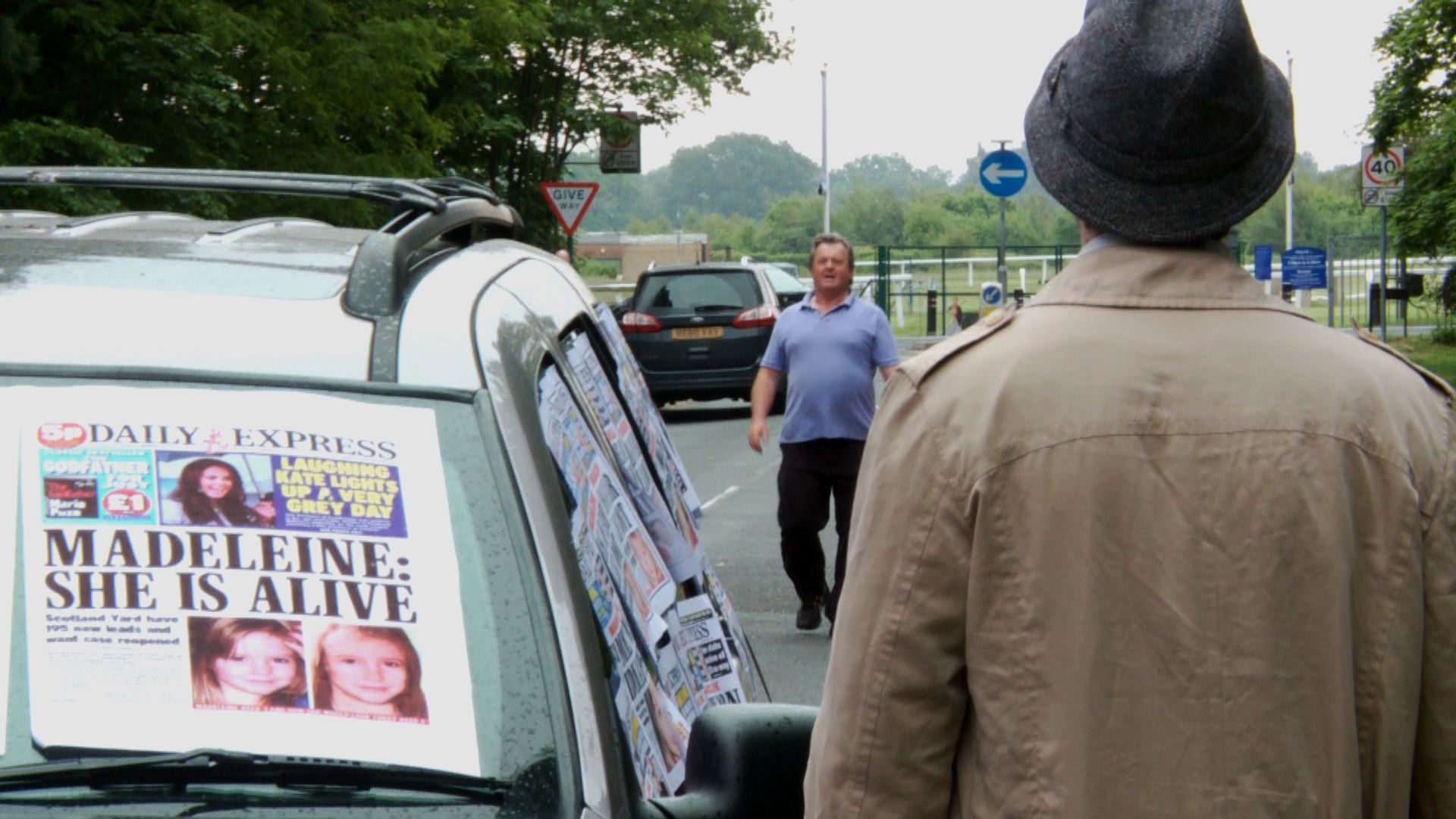
Disgusted at some of the tabloid shenanigans he undertook as a reporter on the Daily Star, and the paper’s ongoing anti-Muslim slant,  Rich Peppiatt quit – only to find his resignation letter go viral. His departure coincided with an extraordinary period of scrutiny for the British press, as a scandal involving rampant phone hacking bled into the drawn out Leveson Inquiry. Four years on, and Peppiatt has made a documentary poking at the British tabloid press, and the culture which he claims all too often allows truth to be jettisoned for the sake of newsstand sales.

One Rogue Reporter is in the vein of documentary provocateurs like Michael Moore and The Yes Men – men pulling off outrageous comical exploits to make a larger point about injustice. In the film, Peppiatt conducts a series of stunts targeting some of the biggest names in the tabloid press – who Peppiatt found to be particularly egregious in their Leveson testimonies – including former Sun editor Kelvin MacKenzie and Mail Online editor Martin Clarke. Providing the commentary in between the capers are a range of interested parties, from the Guardian’s Nick Davies, who broke the hacking story, to actor Hugh Grant, a leader in the campaign for press reform. Combined with some brilliant Hollywood archive, it makes for a combination usually very difficult to achieve in documentary – entertaining and thought provoking. It’s a film marked clearly for the general population, aiming to make some serious points about press hypocrisies, while having some fun along the way. It seems to be succeeding – one fan has seen the film seven times since its world premiere at Sheffield Doc/Fest in June.

At a recent screening of the film at Somerset House, running as part of their Unorthodocs strand, it quickly became evident that Peppiatt gives good Q&A. Together he and co-director Tom Jenkinson kept the diverse audience entertained in a session lasting nearly as long as the film. Here’s what Peppiatt had to say about the making of it, and the unique, often poisonous climate of British tabloid journalism:

The whole Leveson inquiry was quite academic and insular  – media types all navel gazing about their own industry. And we wanted to try to make  a film that was a bit broader than that, that our mates down the pub who were not in the media would watch, because it’s got me putting a dildo on a bloke’s doorstep. So you can have a broader audience watching because it’s funny, and then along the way you can have stuff with hopefully some information. Like with kids where you put the peas in their mashed potato, or something.

One Rogue Reporter - Still 3
Peppiatt and Mail Online Editor Martin Clarke

There was a lot of interest (in broadcasting it), particularly from Channel 4. The cuts that they were going to need wouldn’t make it the same film. So we were like, well do we want a film which is a poor imitation of the one that is out at festivals, or do we want to give it a life online and things like that.

American fair use law is a lot more friendly than British fair use law, which is why the film is copyrighted in America, and our lawyers are American, and our company, Naughty Step productions, is based in Delaware.

It’s very difficult making documentaries to come out the back end and line your pockets. It’s a tough gig. But we never went into it to make money. We just wanted to make the film.

Every TV channel says, ‘we really want to do that stuff – punching up at the powerful’. And the minute you then say, ‘right this is what we are going to do’, they go – ‘you can’t do that’! News organisations are the same – they all say they want really strong stuff that is going after people.

We’re not worth suing, but news organisations and TV channels are a lot more cautious because they know they are worth suing. So it does make it difficult to do in a way that is sustainable for us, and allows us to make a living, and to be able to do the type of journalism that we want to do, at the same time, which is going hard, which isn’t pulling punches. We are working on it, but it is difficult to strike that balance.

We certainly had Murdoch in our sights initially. But every time you see Murdoch, you’d be outside his house, you’d get three Landrovers. He’s in the one in the middle and there are seven ex-Mossad blokes with huge necks surrounding him and hustling him into the house, and you go ‘at what moment there do I throw a dildo at him?’.

Tom Jenkinson and Rich Peppiatt at Somerset House
Tom Jenkinson and Peppiatt post Q & A

The Leveson Inquiry was a great opportunity in my mind. Journalists like to talk loudly about how they like speaking truth to power, and they are fearless and brave, and this that and the other. And in the inquiry, a once in a generation opportunity comes up to speak up…and say these are the things going on. And how many did? Very few – everyone kept their heads down and pretended everything was hunky dory. I thought that was very disappointing.

It’s a tough place to work on tabloid newspapers. And if you’re the sort of person who hangs around there for 20-30 years and crawls your way all the way to the top, I think you’ve got issues. You’re not going to be a very nice person.

The argument that the pound on the counter of the newsagent is the only moral answer we need doesn’t stand up. It’s not a logical argument. If I was to go out there and grab a paedophile and hang him up a lamp post on Westminster Bridge I would probably gather a massive crowd and people will cheer along. It will be quite popular. I’d make it a weekly event. Does it make it right? Well no because we are in a civilised society, just because people want something doesn’t mean we have to give it to them. That’s why we don’t have hard core porn on BBC1 at 6pm in the evening. Just because there is a market for crap doesn’t mean you want to take that crap and serve it up and call it journalism.

Peppiatt and Kelvin MacKenzie

Tabloid is not a dirty word. I’m not anti tabloid. I don’t pretend I’m some veteran of Fleet Street. They’re not going to erect a statue of me. But this is my view of the industry during my time. I don’t pretend it’s the whole story and I know everything by any means.

What we’re planning at the moment is doing a film in America, following the 2016 election from the perspective of how TV covers it – being on the campaign with the press pack.  From my research, the relationships that exist between people in politics high up in the Republican and Democratic party – are married to the news anchors – and the links are amazing showing just how close knit this world is. There is no holding power to account – the media political nexus of New York and Washington is so tight knit that the rest of America is really not served at all. We’re quite at the beginning of that journey.

One Rogue Reporter is available on ITunes, Amazon and Google Play – see the website for links.

Please share and follow and like the Docs on Screens Facebook Group!

The Vikings Are Coming: Modern Times Returns to BBC 2

Kel & Anna
Kel & Anna

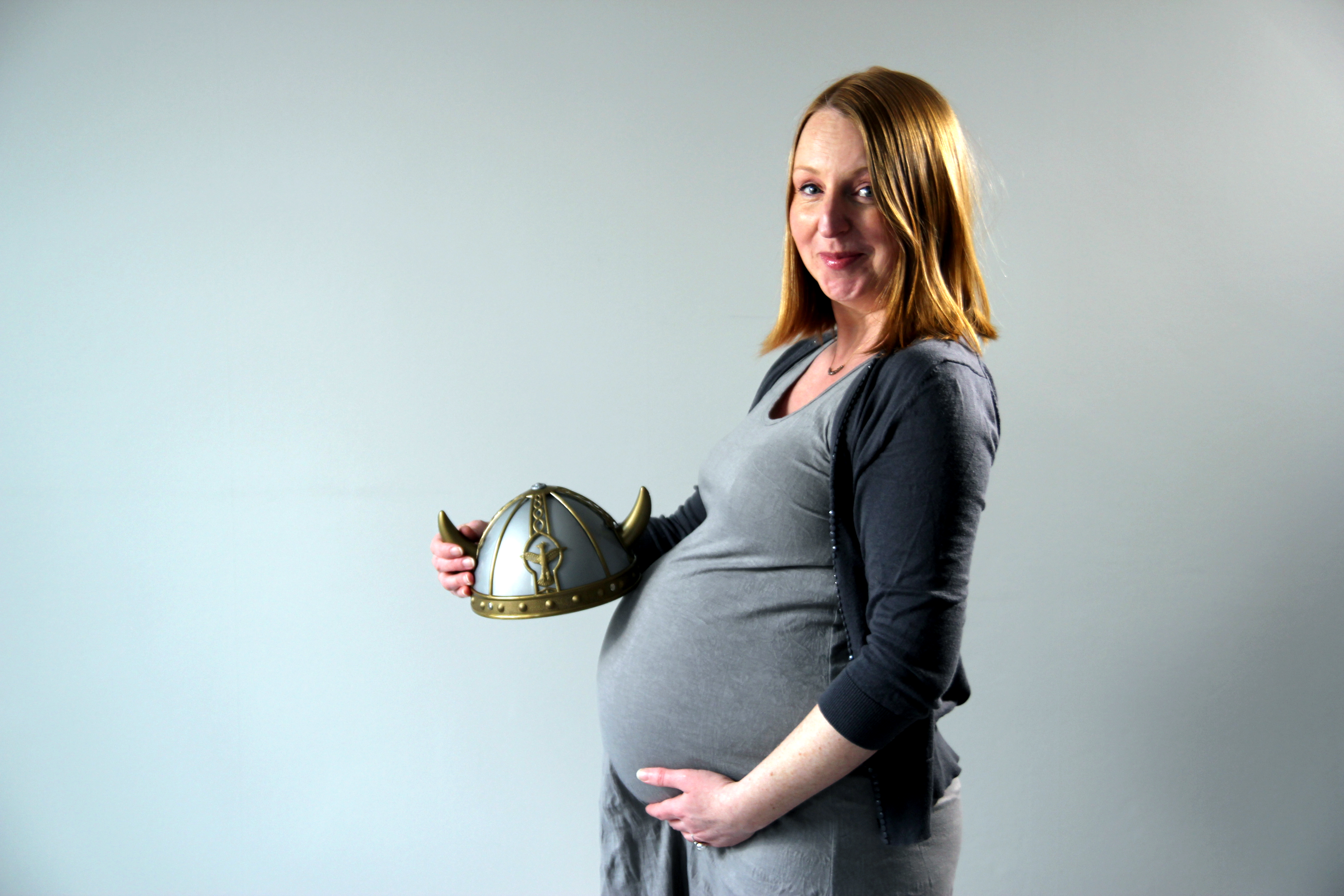
When Scottish filmmaker Sue Bourne learned that outside of beer, bacon and Lego, one of Denmark’s biggest exports was donor sperm, she was intrigued. When she discovered that single women were the biggest group of customers, she knew she had to make a film: “For me that was a really new development – women in their thirties and forties, effectively looking like they were turning their back on men and just going it alone. So in a way it was also about the breakdown of traditional family life. They didn’t need men any more. And that I thought was terrific.”

She was particularly intrigued by the business model: “You can literally, I discovered, decide to have a baby one week, go online and choose your sperm, have it shipped over in a frozen canister in your kitchen, and do self insemination, without talking to a single person. That really is a brave new world.”

amanda 01
Amanda

It’s a topic pitch perfect to launch the newest series of the BBC’s Modern Times – single films from talented filmmakers which reflect life in modern Britain. Bourne embarked on a quest to find a handful of British women happy to have their stories told. It proved to be a tough ask:

“There’s lots of it going on, but they weren’t all gagging to be on telly, that’s for sure. You don’t get much bigger than this in terms of deep personal decisions on your own. And do you want to open up to the world and tell them what you are doing? No, you don’t. So we talked to endless women, fascinating conversations, absolutely riveting – and nobody really that keen to take part. In a way for me that was critical because it meant women who did agree to take part were really brave and strong.”

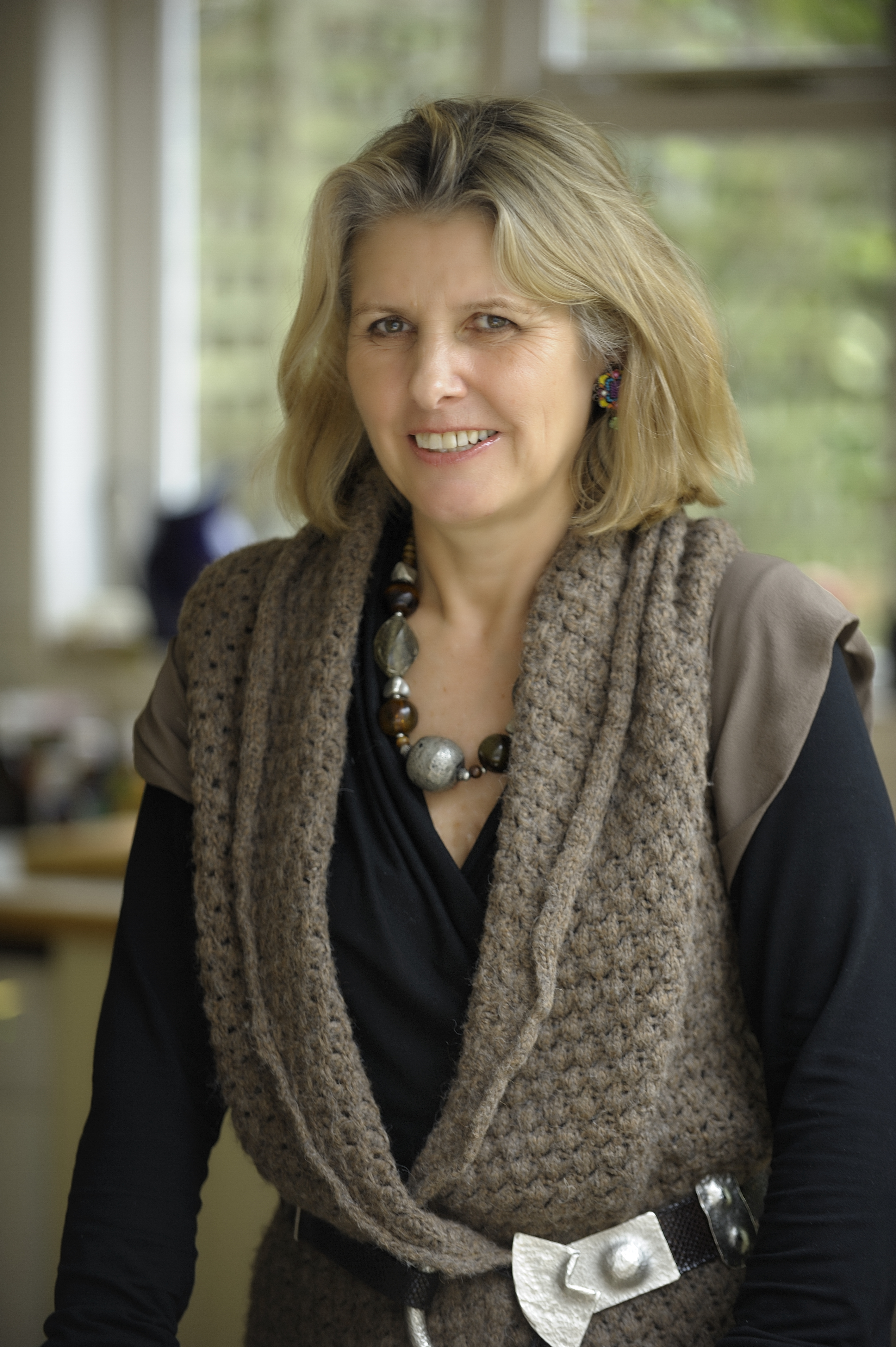
Sue Bourne
Sue Bourne

In the end, Bourne did find four subjects to follow, but, this being the uncertain land of observational documentary, found the filming process to be an emotional rollercoaster – which mimicked the journey the women themselves were on. “The whole thing – I’m just an emotional rag,” she says. The production didn’t help by being so tied to Denmark, “the most expensive place in the bloody world. It was really complicated.” she says. “I’ve never made a film like this before. It was fascinating – it was very stressful – but I like it. I liked the fact that I couldn’t control it. It took me into this world which I didn’t know about, which is trying to get pregnant. And it’s just so brutal. It’s about somebody’s desire to be a mother, and what they have to go to achieve it. It’s incredibly moving.”

Watch Modern Times’ The Vikings are Coming, 9pm Thursday 29 January, and on BBC  I-Player

———————————————————————————————————————————–

Please share and follow and like the Docs on Screens Facebook Group!